Destination guide
Colombia
Colombia · South America
South America's comeback story — Caribbean beaches, coffee mountains, and Medellin's metro-cable barrios at backpacker prices.
Prices verified August 2026
Plan it with verified data
The local read
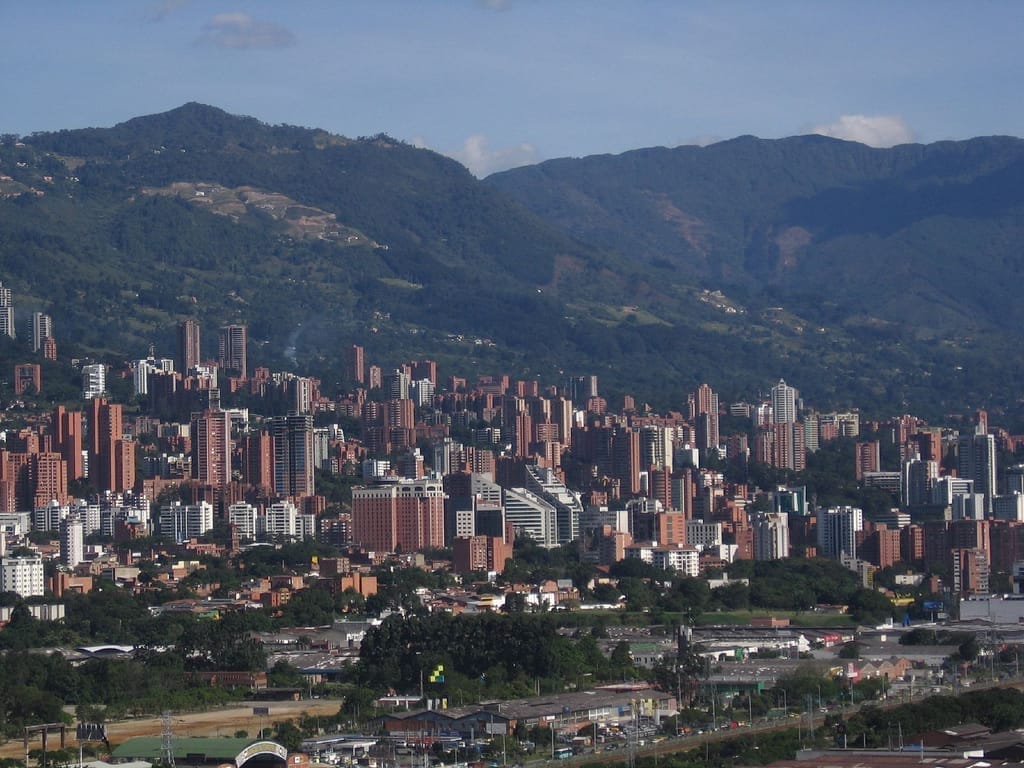
Ask a Paisa what visitors get wrong and you’ll hear one word: Comuna 13, then dinner, then bed — missing the medellin that made the city famous, the one where every neighborhood has a plaza, a panadería, and an opinion about your football team. Colombia is South America at Caribbean pace and Andean prices: a corrientazo lunch for 12,000 COP (~$3), the metro-cable climbing into the hills for pocket change, and a coffee-region finca that costs what a hostel does in Europe.
The gap between tourist- and local-Colombia is a menu and a neighborhood: the corrientazo where office workers eat versus the Poblado brunch spot, the Getsemaní street corner versus the walled-city terrace with the view surcharge. Budget ~$28/day works; ~$60/day is comfortable — verified dataset bands, Aug 2026, never averaged. Cartagena runs 30–50% above Medellin.
- Do like a local: corrientazo lunches, the metro-cable for the views it gives residents, Sunday ciclovia, panela coffee at roadside stops.
- Dodge like a local: photo-menu restaurants on plazas, street taxis (apps only), beach vendors’ “free” chair in Cartagena.
- The honest read: the risk is phone theft, not violence — keep the phone pocketed, use apps for rides, and the reputation of 20 years ago no longer matches the street.
Who it’s for
- First-timers to South America — easy, affordable, and tourist infrastructure without tourist prices.
- Coffee lovers — Salento’s Cocora Valley and farm stays at a fraction of Costa Rica.
- City travelers — Medellin is the continent’s best transit story: metro, cable cars, and leafy neighborhoods.
- Beach + culture combo travelers — Caribbean Cartagena and Tayrona within one bus ride of each other.
- Digital nomads — Medellin’s spring climate and coworking scene punch far above its cost.
- Not for: travelers wanting absolute bottom-dollar pricing — Bolivia and Peru undercut it — or those unwilling to keep phones pocketed.
Quick facts
| Fact | Value |
|---|---|
| Best time to go | Dec–Mar and Jul–Aug (dry on both coasts); Apr–May and Oct–Nov rainiest |
| Typical stay | 10 days: Medellin 4, coffee region 3, Cartagena 3; 2 weeks adds Tayrona or San Gil |
| Daily budget | ~$28 budget; ~$60 mid-range; ~$140 splurge (dataset, Aug 2026) |
| Transit | Metro Medellin 3,050 COP; Uber/Cabify in cities; intercity buses $10–25; flights $30–60 ahead |
| Airport to city | Medellin (MDE) airport bus ~$5, 45 min; Cartagena (CTG) taxi ~$8–10 [inferred] |
| Top paid tickets | Comuna 13 tour $5–10, Cocora Valley ~$3, Tayrona ~$15, Ciudad Perdida 4-day ~$300 [inferred] |
| Free, on purpose | Metro-cable views, Plaza Botero, Getsemaní’s streets, Cartagena’s walls at sunset |
| 2026 notes | Book Ciudad Perdida treks 2+ weeks ahead in high season; IVA-exempt tourist rates must be requested [inferred] |
Before you go
Documents & money
- Many nationalities enter visa-free 90 days (extendable); keep the entry stamp photo — exit fines are real [inferred]
- Cash-heavy outside Poblado and the walled city: COP from bank ATMs, decline the DCC prompt, withdraw big and rarely
- Hotels must offer IVA-exempt rates to foreign tourists with passport + onward ticket — ask explicitly at checkout
Getting around
- Medellin: get a Civica card at any metro station — metro, cable cars, and buses all load onto it
- Rides: Uber, Cabify, or DiDi only; never hail street taxis, day or night
- Intercity: book buses ahead on corredor sites or at terminal counters; Medellin–Salento ~$8, 6 hrs of hairpins
Pack & book
- Altitude spread: Bogotá (2,640 m) is cold at night; the Caribbean is 30°C — pack for both in one bag
- Rain jacket year-round — even dry season throws afternoon showers in the coffee region
- Book Ciudad Perdida and Cocora-area fincas ahead for December and Holy Week
SIM & connectivity: Claro/Movistar tourist SIMs ~$8–13 with passport registration [inferred]; wifi strong in Medellin and Bogotá; coworking $5–10/day — full detail in the sidebar’s connectivity block.
Where to stay
| Neighborhood | Vibe | Price | The local’s verdict |
|---|---|---|---|
| Medellin — El Poblado | Cafes, nightlife, gringo mile | Priciest | Convenient but a bubble; prices run 30% above the city |
| Medellin — Laureles | Leafy, quiet, local rhythm | Mid | The pick — second avenue of cafes at local prices |
| Cartagena — Getsemaní | Street art, plazas, lively nights | Mid | The pick — walkable, alive, a wall’s width from the postcard |
| Cartagena — Old Town | Boutique hotels, balconies | Premium | The postcard; pay for the balconies |
| Salento | Coffee-region base, trout farms | Budget | Finca stays 25,000–60,000 COP; Cocora at the door |
| Minca | Sierra Nevada coffee farms, waterfalls | Budget | Cool nights, hammocks, the coast’s escape valve |
The local pick is Laureles in Medellin and Getsemaní in Cartagena — one neighborhood where the day still belongs to residents. Hostel dorms run 30,000–45,000 COP ($7–11), private finca rooms ~$25–35 (dataset), and December–January lifts everything 20–30% [inferred].
How a local spends 10 days
Day 1 — Medellin, metro and plazas. Civica card, Plaza Botero before the heat, cable car Parque Arví for the skyline view residents ride daily, arepas at a Laureles corner.
Day 2 — Medellin deep. Comuna 13 with a community-run tour (not the $2 backpacker cattle call), afternoon in Laureles, evening fútbol or salsa at a barrio social club.
Day 3 — Guatapé day trip. Early bus, El Peñol’s 740 steps before the crowds, the zócalo streets, back for a corrientazo dinner.
Day 4–6 — Coffee region. Bus to Salento, Cocora Valley at dawn (wax palms in cloud), a finca tour where the picker’s story beats the cupping,Filandia’s quieter hilltop.
Day 7–9 — Caribbean. Fly Medellin–Cartagena ($40–60 ahead), the walls at sunset, Playa Blanca or Isla Barú day trip, Getsemaní’s street life.
Day 10 — Tayrona or home. Early bus to Tayrona’s El Cabo beach hike (~$15 entry) or fly out from Santa Marta.
Budget variant: 10 days ≈ 10 × $28 = ~$280 excluding flights, using dorms, corrientazos, and buses. Mid-range with Ciudad Perdida runs ~10 × $60 = ~$600.
Plan your trip
At a glance
- Country / region: Colombia, northwestern South America — Caribbean coast, Andes, Amazon edge
- Best time to visit: December–March and July–August
- Getting around: Metro in Medellin, ride-apps everywhere, buses and budget flights between regions
- Stay: Laureles (Medellin) and Getsemaní (Cartagena) for value; Salento fincas for the coffee region
- Money: Cash-heavy outside the tourist cores; COP from bank ATMs; ask for IVA-exempt hotel rates
Best time to go
- December–March: dry on both coasts, peak domestic travel — book December ahead.
- July–August: the second dry window; the coast is hot and busy, the coffee region at its greenest.
- April–May and October–November: rain and low prices; trails muddy but museums empty.
- Skip: Holy Week (Semana Santa) unless you want processions — everything fills and prices double.
How many days
- 7 days: Medellin + coffee region OR Medellin + Cartagena — one pair, done well.
- 10 days: the classic triangle (Medellin, coffee, Caribbean) at a sane pace.
- 14+ days: add Tayrona/Minca, San Gil’s adventure circuit, or the Pacific coast (whales July–October).
Getting there
- Flights: Bogotá (BOG) and Medellin (MDE) from $300–500 round-trip from the US; use MDE if skipping the capital.
- Overland: crossings from Venezuela (unstable) and Ecuador (Ipiales, straightforward); Panama has no road link.
- Domestic: low-cost carriers (Viva, JetSMART, Avianca) sell $30–60 hops ahead — the bus Medellin–Cartagena is 14+ hours.
Cost guide
- Budget — ~$28/day — dorms ($7–11), corrientazos and street food ($8), buses, free plazas and viewpoints.
- Mid-range — ~$60/day — private rooms ($30–45), restaurant meals, ride-apps, one paid tour a day.
- Splurge — ~$140/day — walled-city boutique hotels ($120–200), Ciudad Perdida tour, private drivers.
- Either way, carry COP in cash — the corrientazos and fincas that make Colombia cheap are exactly the places that don’t take cards.
- Run the numbers for your own trip with the Trip Cost Calculator — destination, length, and style in, a real day-rate out.
Food & drink
Colombian food is honest, cheap, and regional — eat where the menu is laminated and the portions are agricultural.
- Budget: corrientazo (12,000 COP), arepas (2,000–4,000 COP), empanadas from street cases, mote de queso on the coast.
- Mid-range: bandeja paisa (the mountain’s platter), ceviche cartagenero, ajiaco in Bogotá’s cold.
- Coffee: tinto (black coffee) costs 1,500–2,500 COP at a bakery — the specialty-cafe boom is real but priced accordingly.
- The move: menu del día beats à la carte everywhere; the included soup is not optional, it’s the point.
Safety
Colombia’s 2000s reputation has not caught up with its streets: tourists are targets of property crime, not violence. The rules are simple — no phone while walking or at outdoor tables, ride-apps only, no drugs (the scam-and-extortion chain is real), and skip night buses on rural routes. Medellin’s El Centro empties after dark; Poblado and Laureles stay lively. Emergency number is 123. Altitude in Bogotá (2,640 m) slows the first day — water and patience.
FAQ
How many days do you need in Colombia?
10 days covers the classic triangle — Medellin, the coffee region, Cartagena — at a reasonable pace. A week does one pair well; two weeks adds Tayrona and Minca or the San Gil adventure corridor without rushing. Domestic flights are short, but the bus legs between regions are long enough to plan around.
Sources: colombia-budget-2026 [inferred] · dataset transport notes
Is Colombia safe for tourists?
Yes, with property-crime discipline. Violent crime against tourists is rare; phone-snatching and scams are not. Keep the phone pocketed on the street, use Uber/Cabify/DiDi instead of street taxis, avoid displaying valuables, and skip rural night buses. Medellin and Cartagena's tourist zones are heavily policed — the danger zone is complacency, not geography.
Sources: colombia-budget-2026 · traveler reports 2026 [inferred]
Is Colombia cheap to travel?
Very — a verified 2026 budget of ~$28/day covers dorms, three corrientazo meals, and transit. Mid-range at ~$60/day buys private rooms and daily tours. Cartagena's walled city runs 30–50% above Medellin, and December–January adds 20–30%. Against Western Europe or Costa Rica, Colombia is roughly a third of the cost.
Sources: numbeo.com (Aug 2026) · dataset notes
When is the best time to visit Colombia?
December–March and July–August are the dry windows on both the Caribbean and in the Andes. April–May and October–November are the rainiest and cheapest. Semana Santa (Easter week) and mid-December to mid-January are domestic-peak: everything fills and prices jump.
Sources: colombia-budget-2026 [inferred] · dataset notes
Cash or card in Colombia?
Both, weighted cash. Cards and Tap-to-Pay work in Poblado and the walled city; corrientazo counters, bus terminals, and fincas are cash-only. Bank ATMs charge ~$2.5–4 per withdrawal [inferred] and cap near 2M COP — withdraw large, decline the dynamic-currency prompt, and keep small notes for street food.
Sources: numbeo.com · dataset notes
What should you not miss in Colombia?
The big five: Medellin's metro-cable and Comuna 13, the Cocora Valley's wax palms, Cartagena's walls at sunset, Tayrona's El Cabo beach, and a working coffee finca where the picker walks you through the harvest. Add Guatapé's El Peñol or the Ciudad Perdida trek if you have the days.
Sources: colombia-budget-2026 · traveler reports 2026 [inferred]
The real cost: money traps to know
The costs that don't show up in the brochure — and the ones that quietly eat a budget.
- Taxes & feesNo tourist tax; hotels quote pre-tax and add 19% IVA on checkout for many foreign-card bookings — ask for the 'no IVA' rate for tourists before paying [inferred].
- ATM & cashATM fees run ~10,000–15,000 COP ($2.5–4) per withdrawal [inferred]; the ~2M COP daily cap forces repeat visits. Withdraw inside banks or malls, never street ATMs.
- Hidden feesCartagena's walled-city restaurants add a 'servicio' line and a tourist 'aporte' — check the bill. Ciudad Perdida tours quote land-only; the flight to Santa Marta is extra.
- Taxis & transportUse Uber/Cabify/DiDi always — street taxis quote foreigners 2–3x [inferred] and the historic 'millionaire's ride' scam is still a thing. Medellin's metro is 3,050 COP (~$0.75).
- Budget bufferAdd ~10–15%.
For solo female travelers
- SafetyMedellin and Cartagena are far safer than their reputations, but phone-snatching is the real risk — no phone on the table, no phone while walking.
- At nightEl Poblado (Medellin) and Getsemaní (Cartagena) stay lively and lit; take a ride after 10pm everywhere, even short hops.
- Dress & cultureCasual; Colombians dress up — sneakers-and-shorts reads instantly foreign. Cover up in churches and small towns.
- Where to stayFemale-only dorms are common in Poblado and Getsemaní hostels; family-run posadas in Salento and Minca feel protective in the best way.
Connectivity & remote work
- SIM / eSIMClaro/Movistar/Tigo tourist SIMs ~30,000–50,000 COP ($8–13) with 10–20GB [inferred]; passport registration required, do it at an official store.
- Wi-FiGood in cities and the coffee region; slow but present in Minca and the coast's small towns.
- CoworkingMedellin is a nomad hub: coworking ~$5–10/day, ~$60–120/month [inferred]; Bogotá and Santa Marta growing.
- Nomad visaColombia's V-type nomad visa requires ~$700–900/month income, valid up to 2 years [inferred]; many 90-day-entry travelers simply extend via Mercosur-style hops.
Sources & verification
Every price on this page was checked against these sources — last verified August 2026.
Planning this trip?
Run Colombia through the Trip Cost Calculator — destination, length, and travel style in, a real day-rate out.
Open the Trip Cost Calculator